Stop Safely in All Road Conditions
Brake & Traction in Derry for vehicles with grinding noises, vibration during braking, or reduced stopping power on wet or icy roads
John's Auto Repair LLC performs brake and traction system repairs to restore safe stopping and reliable control when you press the pedal or engage four-wheel drive. You bring in a vehicle that may pull to one side when braking, produce squealing or grinding sounds, or require more pedal pressure than usual to come to a stop. New Hampshire winters place heavy demands on brake rotors, pads, and hydraulic lines, while neglected four-wheel-drive systems fail to engage when you need traction most on snow-covered hills or unpaved roads.
This service includes brake pad and rotor replacement, caliper inspection and rebuild, brake fluid flush, clutch adjustment or replacement, and four-wheel-drive component repair. The shop inspects hydraulic lines for leaks, measures rotor thickness to determine if resurfacing is possible, and tests brake fluid for moisture contamination that lowers boiling point and reduces braking force. When you drive through Derry or navigate steep grades, worn brake components increase stopping distance and create safety risks, especially in wet or icy conditions where traction is already limited.
If you have noticed changes in how your brakes feel or hear unusual sounds when stopping, contact John's Auto Repair LLC to schedule a brake inspection before the problem affects your ability to stop safely.
How Brake and Traction Repairs Restore Control
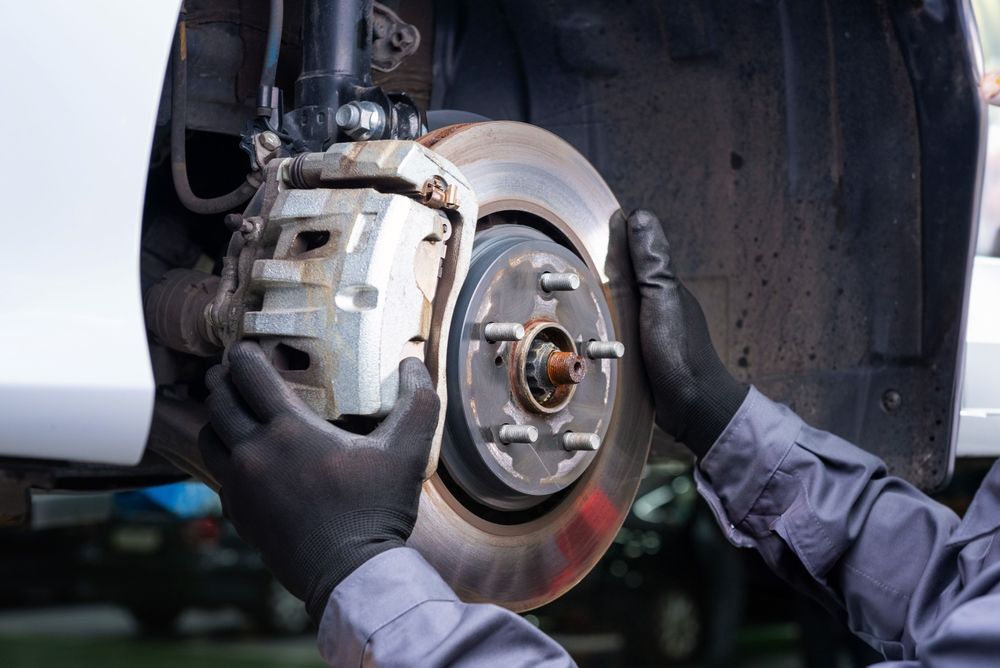
You start with a visual inspection of pad thickness, rotor condition, and caliper operation. Worn pads expose the metal backing plate, which grinds directly against the rotor and causes deep grooves that cannot be resurfaced. Sticking calipers fail to release fully, causing one wheel to drag and generate heat, while contaminated brake fluid absorbs moisture and creates air pockets that make the pedal feel spongy. Four-wheel-drive systems rely on transfer case engagement, front differential lock, and clean actuator components to distribute torque evenly across all wheels.
After the repair, you will feel firm, consistent pedal response with smooth, even braking that does not pull left or right. Your vehicle will stop in a shorter distance without vibration or noise, and the brake pedal will return to its normal height without requiring pumping. Four-wheel-drive systems will engage cleanly when activated, allowing all wheels to pull together on slippery surfaces. John's Auto Repair LLC uses quality friction materials and ensures all hardware is properly lubricated and torqued to prevent premature wear or uneven braking.
The service includes replacement of pads, rotors, or shoes as needed, caliper service, fluid replacement, and testing under load to confirm proper function. It does not include suspension repairs, wheel alignment, or tire replacement unless those items are identified during inspection and approved separately. If your clutch is slipping or failing to disengage, the technician will inspect the pressure plate, release bearing, and hydraulic system to determine the appropriate repair.
What to Know About Brake and Traction Service
These answers address common concerns about brake performance and traction system function in varying conditions.
What causes brake noise?
Squealing often results from worn pad material or lack of lubrication on caliper slides, while grinding indicates the pad has worn completely and metal is contacting the rotor, requiring immediate replacement to prevent further damage.
How often should brake fluid be changed?
You should replace brake fluid every two to three years, as it absorbs moisture over time and lowers the boiling point, which can cause brake fade during heavy use or long downhill stretches common in New Hampshire terrain.
Why does my vehicle pull when braking?
Uneven pad wear, a sticking caliper, or contaminated brake fluid can cause one side to apply more force than the other, pulling the vehicle off course and requiring inspection to identify the affected component.
When should I check my four-wheel-drive system?
You should test engagement before winter arrives and after any off-road use, as dirt, moisture, and lack of use can prevent the transfer case or front differential from engaging when you need traction on snow or ice in Derry.
What happens during a brake inspection?
The technician removes each wheel, measures pad and rotor thickness, inspects hydraulic lines for leaks, tests fluid condition, and checks caliper movement to ensure all components meet safety standards and function correctly.
If you notice any change in brake feel, hear unusual sounds when stopping, or have difficulty engaging four-wheel drive, bring your vehicle to John's Auto Repair LLC for a complete brake and traction system evaluation to ensure safe operation year-round.